Dentist Diagnose common dental problems by first understanding the patient’s symptoms, examining the teeth and gums, and using diagnostic tests when needed. A proper dental examination helps identify issues such as cavities, gum disease, tooth infection, sensitivity, damaged teeth, and other oral health concerns before they become more serious.
For people searching for the Best Dentist In Nanded City Sinhgad Road Pune, knowing how dental diagnosis works can make a visit less stressful. A dentist does more than simply look at a painful tooth. They evaluate the overall condition of your mouth and identify the possible cause of your symptoms.
What Happens During a Dental Examination?
A dental diagnosis usually starts with a discussion about your current problem. The dentist may ask when the pain started, whether you experience sensitivity, swelling, bleeding gums, difficulty chewing, or any changes in your teeth.
The dentist then checks your teeth, gums, tongue, and other areas inside the mouth. They look for visible signs of decay, cracks, infection, plaque buildup, gum inflammation, or changes in the condition of the teeth.
This initial examination helps the dentist decide whether additional testing is necessary.
How Dr Borole Dental Hub Identifies Dental Problems
At Dr Borole Dental Hub, diagnosis can involve a combination of clinical examination and appropriate dental investigations. The exact approach depends on the patient’s symptoms and oral condition.
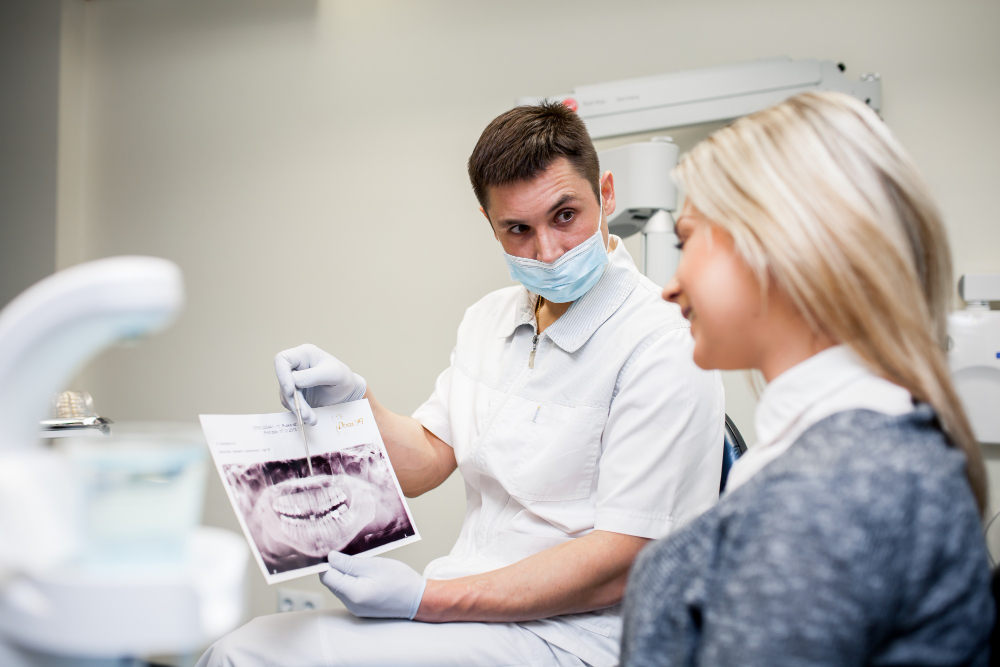
For example, a small cavity may be identified during a routine examination, while problems hidden beneath the tooth or around the root may require dental X-rays. X-rays can help dentists assess areas that cannot be properly seen during a normal mouth examination.
A detailed diagnosis is important because similar symptoms can sometimes have different causes. Tooth pain, for instance, may result from decay, sensitivity, a cracked tooth, gum problems, or an infection.
Common Dental Problems Dentists Diagnose
Some of the most frequently diagnosed dental conditions include:
- Tooth decay: Early cavities may not cause noticeable symptoms, which is why regular checkups are useful.
- Gum disease: Red, swollen, tender, or bleeding gums can indicate gum problems that require professional attention.
- Tooth infection: Persistent pain, swelling, or sensitivity may be associated with an infection inside or around a tooth.
- Cracked or damaged teeth: A dentist can assess visible cracks or damage that may affect chewing and cause discomfort.
- Tooth sensitivity: Sudden discomfort from hot, cold, sweet, or acidic foods can have several possible causes.
- Missing teeth: A dental examination can help determine suitable replacement options based on the condition of the mouth.
Why Early Dental Diagnosis Matters
Many dental problems become more difficult to manage when treatment is delayed. A small cavity, for example, may initially cause little or no discomfort but can progress if left untreated.
Regular examinations allow dentists to identify potential problems earlier and discuss suitable treatment options. Maintaining good oral hygiene at home is also important, but brushing and flossing cannot replace professional dental examinations.
If you have ongoing tooth pain, bleeding gums, swelling, sensitivity, or difficulty chewing, scheduling a dental examination is a sensible step.
Dental Implants Sinhgad Road Pune: Why Diagnosis Comes First
If you have one or more missing teeth and are considering Dental Implants Sinhgad Road Pune, a detailed dental assessment is an important first step.
Before recommending implants, a dentist needs to evaluate the gums, jawbone, neighboring teeth, and overall oral health. Depending on the case, dental imaging may be used to understand the bone structure and plan the procedure.
Not every patient will require the same implant approach. A proper evaluation helps the dentist develop a treatment plan based on individual dental needs rather than using a one-size-fits-all method.
When Should You Visit a Dentist?
You should consider a dental visit if you experience persistent toothache, swollen or bleeding gums, sensitivity that does not improve, a broken tooth, bad breath that continues despite good oral hygiene, or difficulty eating.
You do not necessarily need to wait until you have pain. Routine dental checkups can help detect problems at an earlier stage and support long-term oral health.
Conclusion
A proper dental diagnosis helps identify the cause of oral problems and guides the right treatment. Whether you need a routine checkup or are exploring Dental Implants Sinhgad Road Pune, an experienced dental evaluation can help you make informed decisions about your oral health.
Frequently Asked Questions
1. How does a dentist diagnose a cavity?
A dentist examines the tooth for signs of decay and may recommend an X-ray when necessary to identify decay that is difficult to see during a visual examination.
2. Are dental X-rays required for every dental visit?
No. The need for an X-ray depends on your symptoms, dental history, examination findings, and the type of problem the dentist suspects.
3. Is a dental examination necessary before getting implants?
Yes. A thorough assessment helps the dentist evaluate the gums, available bone, surrounding teeth, and other factors before planning dental implant treatment.