Implant dentistry has transformed the way people replace missing teeth, offering a reliable solution that restores both the appearance and functionality of a natural smile. Losing a tooth can affect more than your appearance; it may also make chewing difficult, impact speech, and gradually contribute to jawbone loss. Dental implants provide a long-term tooth replacement option by creating an artificial root that supports a natural-looking replacement tooth.
If you are considering Dental Implants Sinhgad Road Pune, understanding how the treatment works can help you make an informed decision. From the initial dental examination to the placement of your permanent crown, every stage is carefully planned to achieve comfortable, functional, and aesthetically pleasing results.
What Are Dental Implants and How Do They Work?
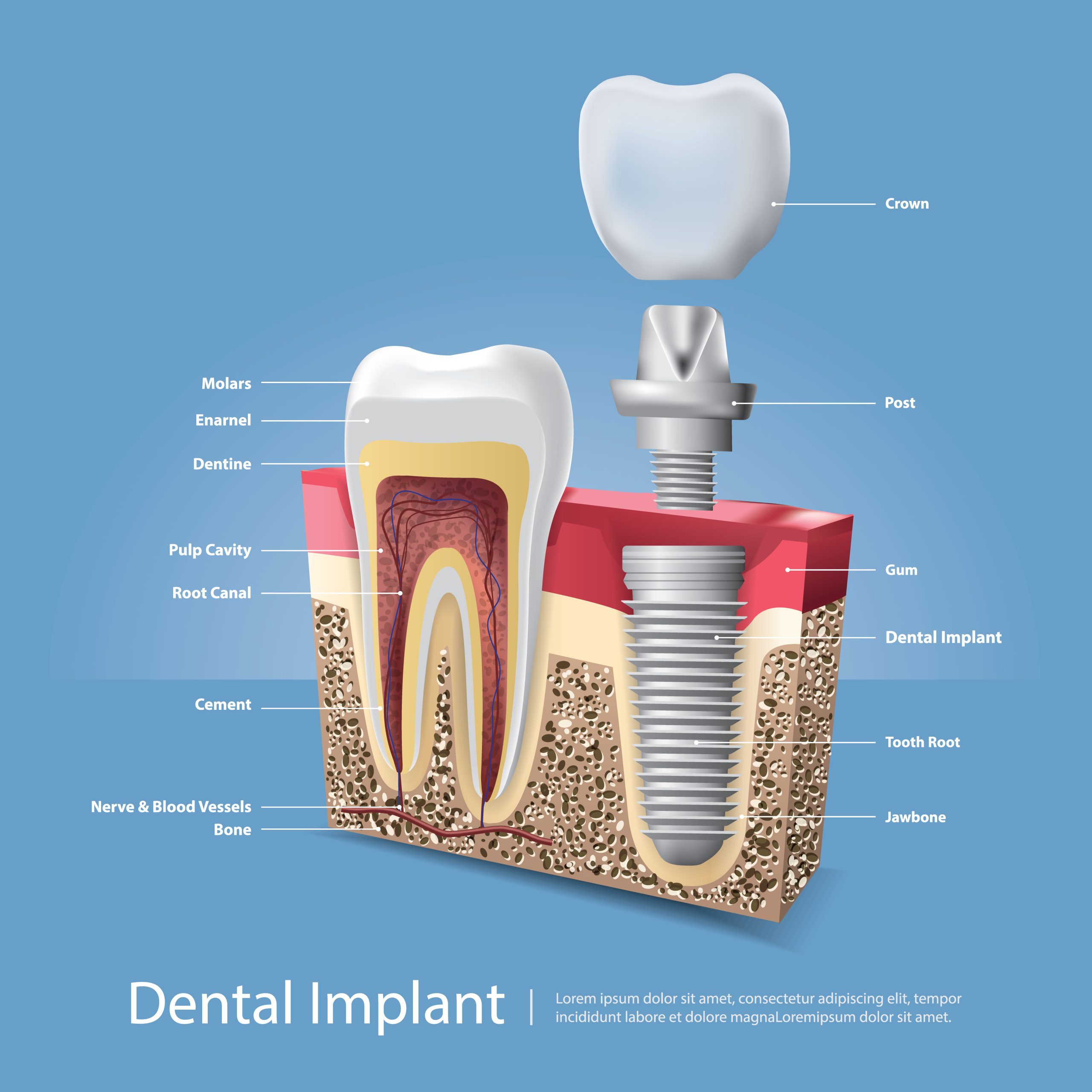
Dental implants are artificial tooth roots, generally made from biocompatible materials such as titanium, that are placed into the jawbone to support replacement teeth. They act as a stable foundation for crowns, bridges, or implant-supported dentures.
A dental implant generally consists of three main components:
Implant Post: A small screw-like structure placed inside the jawbone to replace the missing tooth root.
Abutment: A connector that joins the implant post to the replacement tooth.
Dental Crown: A custom-made artificial tooth designed to match the appearance and function of natural teeth.
Once the implant integrates with the surrounding jawbone, it provides a stable foundation for the replacement tooth.
How Does the Dental Implant Procedure Work? Step-by-Step Process
Understanding the treatment process helps patients feel more confident about choosing dental implants. Here are the major steps involved.
Step 1: Initial Consultation and Dental Examination
The first step is a detailed consultation with an experienced dental professional. During this appointment, the dentist examines your teeth, gums, jawbone condition, and overall oral health.
Your dental history and medical conditions are also reviewed to determine whether implant treatment is suitable. Digital X-rays or a CBCT (Cone Beam Computed Tomography) scan may be recommended to evaluate bone density, nerve positions, and the available space for implant placement.
At Dr. Borole’s Implant and Dental Hub, modern diagnostic approaches, including CBCT imaging, help support accurate treatment planning.
Step 2: Personalized Implant Treatment Planning
After the examination, the dentist prepares a treatment plan based on your individual dental requirements. This includes selecting the appropriate implant size, position, and restoration type.
Patients with insufficient jawbone may require additional procedures, such as bone grafting or a sinus lift, before implant placement. The dentist also discusses the expected treatment timeline, costs, and aftercare instructions.
Proper planning helps improve implant positioning and supports predictable treatment outcomes.
Step 3: Dental Implant Placement
Once the treatment plan is finalized, the implant placement procedure is scheduled.
The procedure is generally performed under local anaesthesia to minimize discomfort. The dentist carefully prepares the implant site and places the implant post into the jawbone. The gum tissue is then positioned and allowed to heal according to the treatment plan.
Most patients experience some temporary swelling or mild discomfort following surgery, which can generally be managed with prescribed medication and proper aftercare.
Step 4: Osseointegration – The Healing Process
One of the most important stages of dental implant treatment is called osseointegration.
During this process, the jawbone gradually bonds with the implant surface, creating a strong and stable foundation for the artificial tooth. This healing period commonly takes around three to six months, although the exact duration varies depending on bone quality, overall health, and individual healing.
Regular dental follow-ups help monitor the healing process and ensure that the implant is progressing as expected.
Step 5: Abutment Placement and Custom Crown Preparation
Once the implant has successfully integrated with the jawbone, the next stage involves attaching an abutment. This connector provides support for the replacement tooth.
The dentist then takes digital scans or dental impressions to create a customized crown that matches your natural teeth in shape, size, and colour.
The crown is carefully designed to provide a comfortable bite and a natural-looking appearance.
Step 6: Final Crown Placement and Follow-Up
In the final stage, the customized crown is securely attached to the implant through the abutment.
The dentist checks the crown’s fit, bite alignment, and appearance to ensure proper functionality. Patients can gradually return to their normal eating and speaking routines as advised by their dentist.
Regular dental check-ups and good oral hygiene are essential to maintaining the health and longevity of dental implants.
What Are the Benefits of Dental Implants?
Dental implants offer several advantages for people with missing teeth:
Natural Appearance: Custom-designed crowns closely resemble natural teeth.
Improved Chewing Ability: Stable implant-supported teeth help restore comfortable chewing.
Jawbone Support: Implants stimulate the jawbone and help reduce bone loss associated with missing tooth roots.
Protection of Adjacent Teeth: Unlike conventional dental bridges, individual implants generally do not require reshaping neighbouring healthy teeth.
Long-Term Solution: With proper oral hygiene and regular dental care, implants can provide long-lasting tooth replacement.
These benefits make dental implants a popular option for restoring incomplete smiles and improving everyday oral function.
Who Is the Right Candidate for Dental Implants?
Most adults with good general health, healthy gums, and sufficient jawbone support may be suitable candidates for dental implants.
However, certain factors, including uncontrolled diabetes, active gum disease, smoking, and inadequate bone volume, may affect treatment planning and healing. These conditions do not automatically rule out implant treatment, but they require careful professional evaluation.
If you are looking for Dental Implants Sinhgad Road Pune, consult a qualified dental professional to understand your eligibility and available treatment options.
Why Choose Dr. Borole's Implant and Dental Hub?
Choosing the right dental clinic is an important part of successful implant treatment. Dr. Borole’s Implant and Dental Hub focuses on patient-centred dental care, modern diagnostic technology, and personalized treatment planning.
Led by Dr. Pravin Borole, who has been serving the Pune community since 2012, the clinic offers advanced implant dentistry and comprehensive dental solutions. With facilities for CBCT imaging and modern dental diagnostics, patients can receive treatment recommendations based on their individual oral health needs.
Whether you need to replace a single missing tooth or require a more comprehensive restoration, a professional consultation can help you understand the most suitable approach.
Conclusion
Dental implants are an effective way to replace missing teeth, restore chewing function, and improve smile confidence. Understanding each stage of the procedure helps you prepare for treatment and maintain realistic expectations. If you are searching for Dental Implants Sinhgad Road Pune, Dr. Borole’s Implant and Dental Hub offers modern dental care, personalized treatment planning, and patient-focused support to help you work towards a healthier, more confident smile.
Frequently Asked Questions
1. How long does the complete dental implant procedure take?
Ans- The complete process may take several months because the implant needs time to integrate with the jawbone. Healing commonly takes around three to six months, depending on individual conditions and whether additional procedures are required.
2. Are dental implants painful?
Ans- Dental implant placement is generally performed under local anaesthesia, so patients should not feel pain during the procedure. Mild swelling, soreness, or discomfort may occur afterwards and can usually be managed with the dentist’s recommended medication.
3. How long do dental implants last?
Ans- Dental implants can last many years with proper oral hygiene, healthy gums, and regular dental check-ups. Their longevity depends on factors such as oral health, lifestyle habits, implant maintenance, and individual healing.