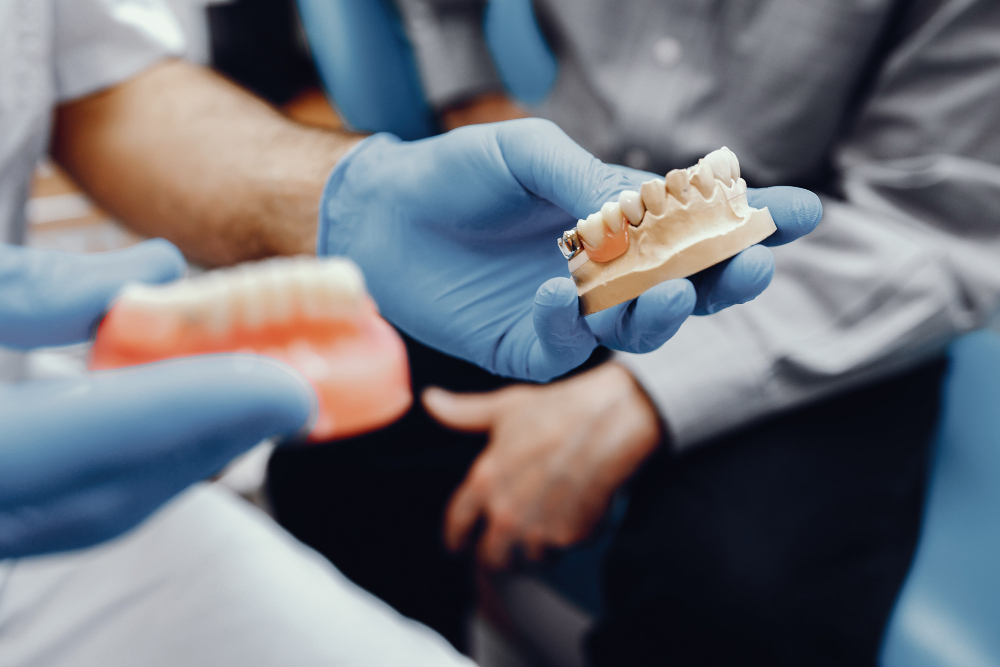
Implants have transformed modern dentistry by offering a reliable way to replace missing teeth and restore natural-looking smiles. One of the most talked-about advancements is immediate-load dental implants, a treatment approach that can allow patients to receive temporary replacement teeth shortly after implant placement. Unlike conventional implant procedures that generally require several months of healing before attaching the final restoration, this technique can significantly reduce the waiting period. However, is getting new teeth in a single day suitable for everyone? Understanding the procedure, benefits, limitations, and eligibility criteria is essential before making a decision.
For individuals exploring Dental Implants Sinhgad Road Pune, immediate-load implants can be an attractive option for restoring missing teeth without a prolonged toothless period. This approach may improve chewing comfort, speech, and smile appearance while reducing the number of treatment stages. However, the success of immediate loading depends on several clinical factors, including jawbone quality, implant stability, gum health, and the patient’s overall oral condition. A proper dental examination is necessary to determine whether this treatment is appropriate.
What Are Immediate-Load Dental Implants?
Immediate-load dental implants are a treatment approach in which a temporary or permanent dental restoration is attached to a newly placed implant within a short period, generally within one week. In suitable cases, patients may receive a temporary tooth on the same day as implant surgery.
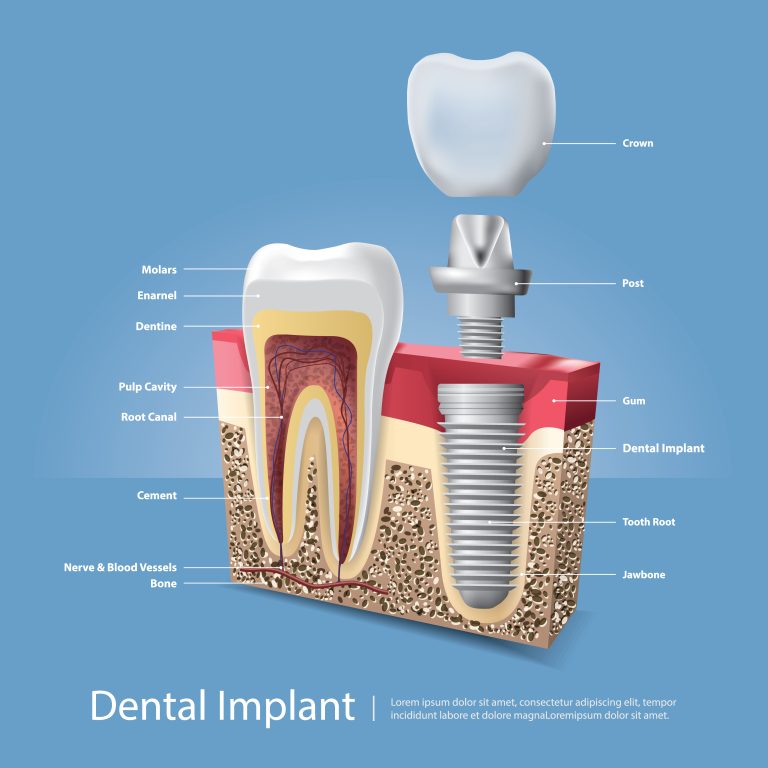
The implant itself is usually made from biocompatible titanium and is positioned inside the jawbone to act as an artificial tooth root. Over time, the surrounding bone integrates with the implant through a biological process called osseointegration. This creates the foundation needed to support the replacement tooth.
It is important to understand that immediate loading does not mean the implant has completely healed on the day of surgery. The healing and bone-integration process still takes time, even when a temporary tooth is provided early.
How Does the Immediate-Load Implant Procedure Work?
The procedure generally involves several carefully planned stages:
1. Initial Dental Examination: The dentist evaluates gum health, jawbone density, missing teeth, and overall oral health. Digital X-rays or CBCT scans may be recommended to assess bone structure and plan implant placement.
2. Implant Placement: After administering local anaesthesia, the dental implant is positioned in the jawbone. The dentist evaluates its initial stability before deciding whether immediate loading is suitable.
3. Temporary Tooth Placement: If adequate stability is achieved, a temporary crown or restoration may be attached. The dentist carefully adjusts the bite to minimise excessive pressure on the healing implant.
4. Healing and Final Crown: Over the following months, the implant integrates with the surrounding bone. Once healing is satisfactory, the temporary restoration can be replaced with a customised permanent crown.
What Are the Benefits of Immediate-Load Dental Implants?
Immediate-load implants offer several potential advantages when performed in appropriately selected cases.
Reduced Waiting Time: Patients may receive a temporary replacement tooth shortly after implant placement.
Improved Appearance: Replacing a visible missing tooth quickly can help patients feel more comfortable about their smile.
Better Convenience: Fewer separate treatment stages may reduce the overall number of appointments.
Restored Confidence: Replacing missing teeth can improve confidence during conversations and social interactions.
Functional Improvement: A properly planned temporary restoration can help maintain appearance and support limited oral function during healing.
However, patients must follow dietary instructions and avoid excessive biting pressure until the implant has healed.
Who Is a Suitable Candidate for Immediate-Load Implants?
Not every patient is eligible for immediate loading. The dentist considers several important factors before recommending this approach.
Suitable candidates generally have:
Adequate jawbone volume and quality.
Good initial implant stability.
Healthy gums and controlled oral infections.
No significant uncontrolled medical conditions affecting healing.
A manageable bite force and willingness to follow aftercare instructions.
Patients with insufficient bone support, active gum disease, uncontrolled diabetes, heavy smoking habits, or teeth-grinding problems may require additional treatment or a conventional loading approach.
The final decision should always be based on clinical examination rather than assumptions about eligibility.
Immediate-Load vs Conventional Dental Implants: What Is the Difference?
The primary difference is the timing of attaching the replacement tooth.
Immediate loading allows a temporary or permanent restoration to be attached within approximately one week of implant placement. Conventional loading involves allowing the implant to heal for a longer period, generally more than two months, before connecting the restoration.
Both approaches can provide successful outcomes when selected appropriately. Immediate loading is not automatically better or faster for every patient. In certain situations, conventional loading offers a more predictable healing approach.
How to Maintain Your Dental Implants After Treatment
Long-term implant health depends on proper oral hygiene and regular dental monitoring. Patients should:
Brush twice daily using a soft-bristled toothbrush.
Clean between teeth and around implants with suitable interdental aids.
Avoid smoking and tobacco products.
Follow the recommended diet during the healing period.
Attend scheduled dental check-ups.
Report persistent pain, swelling, bleeding, or implant mobility to the dentist.
Good maintenance helps protect the surrounding gum tissue and supports the long-term health of the restoration.
Conclusion
Immediate-load dental implants can offer an effective tooth-replacement option for carefully selected patients, but faster treatment does not mean skipping the healing process. Bone quality, implant stability, oral health, and professional treatment planning remain essential. If you are considering Dental Implants Sinhgad Road Pune, consult Dr Borole’s Implant and Dental Hub to understand your treatment options and find an approach suited to your dental needs.
Frequently Asked Questions
1. Can I get dental implants and new teeth on the same day?
Ans-Yes, in suitable cases, immediate-load dental implants allow a temporary tooth or restoration to be attached on the same day. However, eligibility depends on jawbone quality, initial implant stability, and overall oral health.
2. Are immediate-load dental implants as effective as conventional implants?
Ans-Immediate-load implants can achieve predictable results in carefully selected patients. However, they are not suitable for everyone, and conventional loading may be recommended when additional healing time is necessary.
3. How long does it take for immediate-load dental implants to heal completely?Ans- Although a temporary tooth may be provided quickly, complete bone integration generally takes several months. The healing period varies depending on individual bone quality, oral health, and treatment complexity.